
 The following is a transcription of a discourse delivered by Śrīla Bhaktivedānta Nārāyaṇa Mahārāja in Vienna, Austria, on September 19, 2002 (Bhakta Bandhav Anthology Volume 90)
(This lecture was delivered by Śrī Śrīmad Bhaktivedānta Nārāyaṇa Mahārāja on the appearance day of Śrī Saccidānanda Bhaktivinoda Ṭhākura, at the Śrī Kṛṣṇa Caitanya Mission in Vienna, founded by prapūjyacaraṇa Śrī Śrīmad Bhakti Vaibhava Purī Mahārāja. Śrīla Bhaktivedānta Nārāyaṇa Mahārāja and the 150 devotees in attendance were extremely pleased by the exceptional degree of hospitality exhibited by the devotees from this maṭha. He remarked that these excellent displays of Vaiṣṇava etiquette, and the beautiful, well-organised facility, are ideal examples for all Vaiṣṇava preaching centres.)
I offer millions of daṇḍavat praṇāmas unto the lotus feet of my gurudeva, nitya-līlā praviṣṭa oṁ viṣṇupāda Śrī Śrīmad Bhakti Prajñāna Keśava Gosvāmī Mahārāja. And, also my daṇḍavats to parama-pūjyapāda prapūjyacaraṇa oṁ viṣṇupāda Śrī Śrīmad Bhakti Vaibhava Purī Mahārāja, and to our guru-paramparā.
Today, we are observing the auspicious appearance day of Śrīla Saccidānanda Bhaktivinoda Ṭhākura. He is 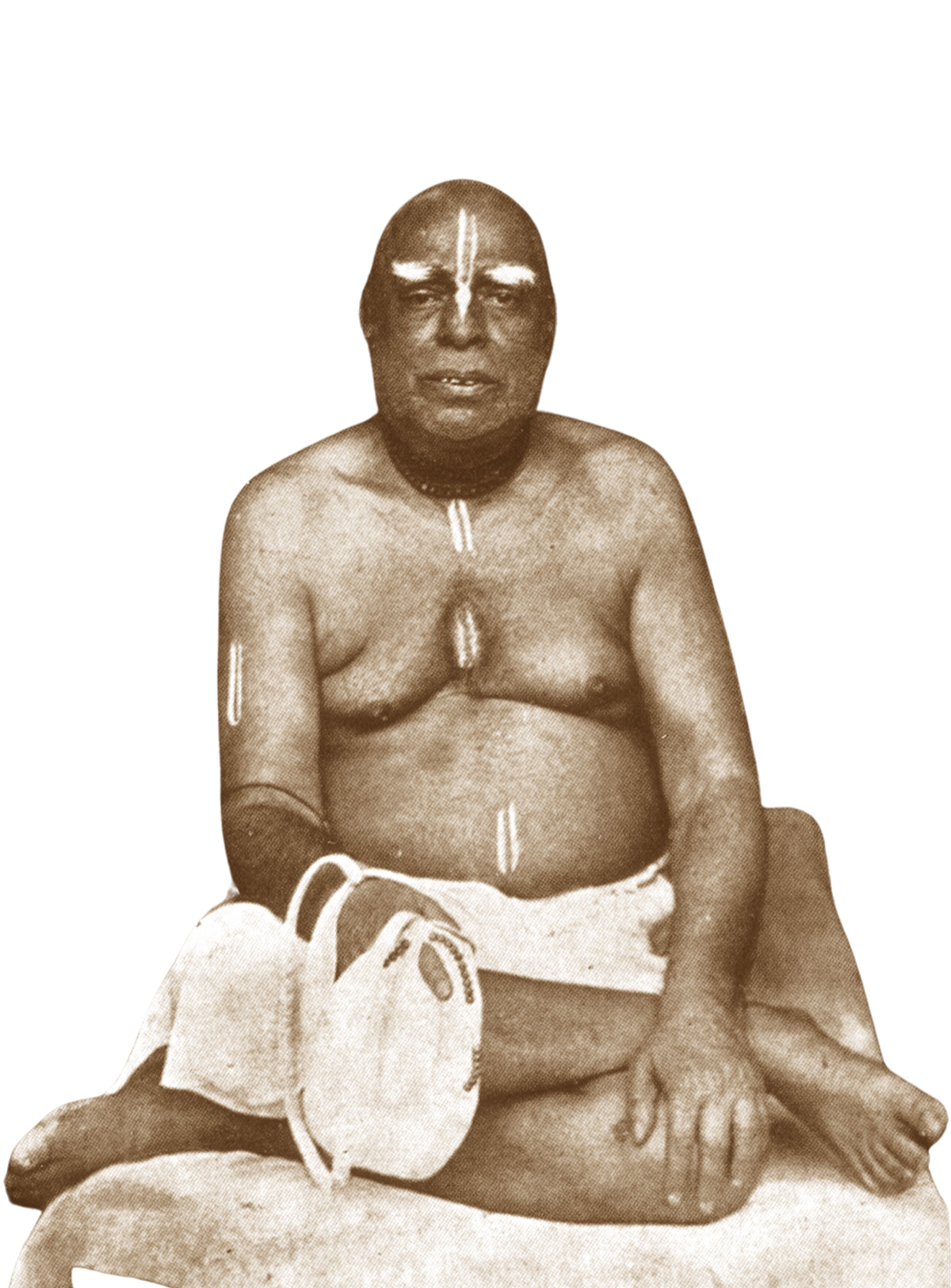 considered the Saptama (seventh) Gosvāmī and has written more than one hundred authoritative books in many languages. He has especially given us two very important gifts: he discovered the birthplace of Śrī Caitanya Mahāprabhu, and he gave us Śrīla Bhaktisiddhānta Sarasvatī Prabhupāda.
I want to tell you about an extraordinary kīrtana that he wrote and sang, “Harināma, tuwā aneka svarūpa –
O Harināma, You possess unlimited forms.” Perhaps we have no idea of the very deep meaning of this kīrtana. The analogy is given of a mango seed. We do not see that a tree is within the mango seed, complete with its branches, leaves, and fruits. The entire tree exists within that seed. If you plant that seed in the earth and water it properly, a very beautiful tree will gradually grow from it. A large tree with many branches, leaves, beautiful sweet fruits, and mañjarīs will emerge. Cuckoo birds will sit on the branches, singing, “Cuckoo, cuckoo.” Everything is within that seed, but when it is still in seed form, this is not apparent to us. It will take some time for us to see the complete tree.
Similarly, the guru gives śabda-brahma (transcendental sound, or Bhagavān in the form of sound) in the holy name, the Hare Kṛṣṇa mahā-mantra, but we have not realised anything yet. We chant because gurudeva has told us to do so.  After some days, if we do not see any results, we become disheartened and give up our chanting. We think, “Oh, there is nothing here.” On the other hand, if a bona fide guru gives harināma (initiation) to any sincere devotee, that devotee will have so many realisations by following the process of bhakti. He will see Kṛṣṇa’s pastimes in the seed of the holy name and think, “Oh, Kṛṣṇa is taking birth from Yaśodā.” He will think, “Nanda Bābā is supporting and nourishing Kṛṣṇa. Kṛṣṇa is very restless. He is stealing butter from different gopīs and wrestling with Baladeva Prabhu.”
All the pastimes of Kṛṣṇa are present in the holy name, and a pure devotee can see them all. If the disciple can realise the meaning of this kīrtana, he will develop a real taste and never fall down. But he must develop some taste.
A devotee may receive harināma from his gurudeva and begin chanting, but if he is not becoming free from anarthas and is not developing a taste for it, he will give up chanting and his devotional service as well. There are many examples of persons who have been renounced sannyāsīs for twenty or thirty years. Such persons may even have initiated disciples, but after years of service to their gurudeva, they may conclude, “I am in a dilemma; I have not realised anything. Everything that I believed to be true is false. I am giving up my sannyāsa and my chanting and remembering. I will no longer cheat others. I am going to marry and start a real life.”
Many have fallen because they have no faith in their gurudeva or the holy names. Without this faith, one cannot realise that Śrīmatī Rādhikā, Kṛṣṇa, and rasa are all present in the seed of this name, the Hare Kṛṣṇa mantra. All the pastimes of Kṛṣṇa described in this song (Harināma, tuwā) are present within it; all the vraja-līlā, mathurā-līlā, dvārakā-līlā, and goloka-vṛndāvana-līlā are there.
Moreover, new pastimes, which have not been written in Śrīmad-Bhāgavatam, can be discovered in this song. Our gosvāmīs discovered so many pastimes, and other gosvāmīs, like Śrīla Bhaktivinoda Ṭhākura, have come and revealed more and more. You should aspire to follow in the footsteps of our gosvāmīs. Have full faith in your guru and continue chanting. Don’t be satisfied  with chanting only 16 rounds. This is not sufficient to control your restless mind, which is wandering here and there and thinking of worldly things. Chant 64 rounds or 128 rounds with strong faith, and then you will realise all these truths. Śrīla Bhaktivinoda Ṭhākura has said that very strong faith is required.
Śrīla Bhaktivinoda Ṭhākura has written thousands of songs like “Yaśomatī-nandana, vraja-vara-nāgara, gokula-rañjana kāna” and “Bôlô’ hari hari, mukunda murāri, rāma-kṛṣṇa hayagrīva.” All the important pastimes of Kṛṣṇa are within these songs, and if you sing them with faith and honour, these pastimes will be revealed to you.
We should try to sincerely follow Śrīla Bhaktivinoda Ṭhākura. He gave us a treasure chest of realised transcendental literature, and that is why he is called the Seventh Gosvāmī.
Śrīla Bhaktivinoda Ṭhākura took birth in Ulāgrāma, in the Nadīyā district, very near to Śrī Māyāpura, the birthplace of Śrī Caitanya Mahāprabhu. His father passed away when he was very young, and he was raised in his maternal uncle’s house in Ulāgrāma and later on, he was brought to Kolkata, where he studied. He was brilliant from his boyhood. He began writing poetry when he was very young, and among his early books was Śrī Prema-pradīpa.
He was very friendly with the family of Rabindranatha Tagore. The members of the Tagore family were very 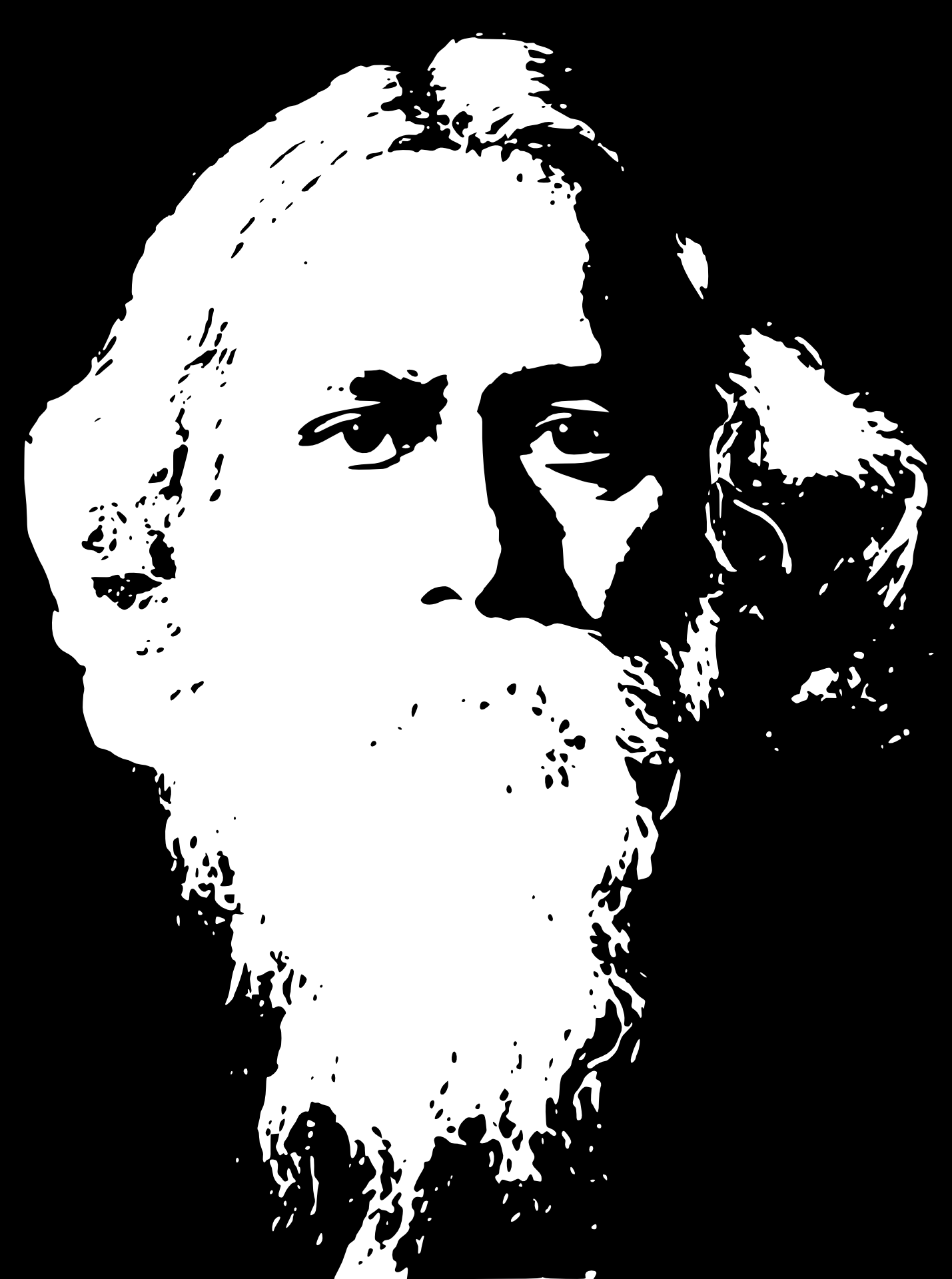 learned, but they became Brahmavādīs and joined the Brahma Samāja. They wanted to establish the philosophy of the Brahma Samāja, which was based on a mixture of beliefs from the world’s major religions. In his book Prema-pradīpa, Śrīla Bhaktivinoda Ṭhākura opposed the philosophical principles of the Brahma Samāja.
During this time, Śrīla Bhaktivinoda Ṭhākura visited different universities in Kolkata, where he lectured and gave classes that were widely appreciated. He was also writing many articles about Śrī Kṛṣṇa and Śrī Caitanya Mahāprabhu. After some time, he left Kolkata and went to live at his grandfather’s home in Orissa. His grandfather was a teacher, and Śrīla Bhaktivinoda Ṭhākura also became a teacher while living there.
After that, he went to Jagannātha Purī and was appointed the deputy magistrate for that district. The 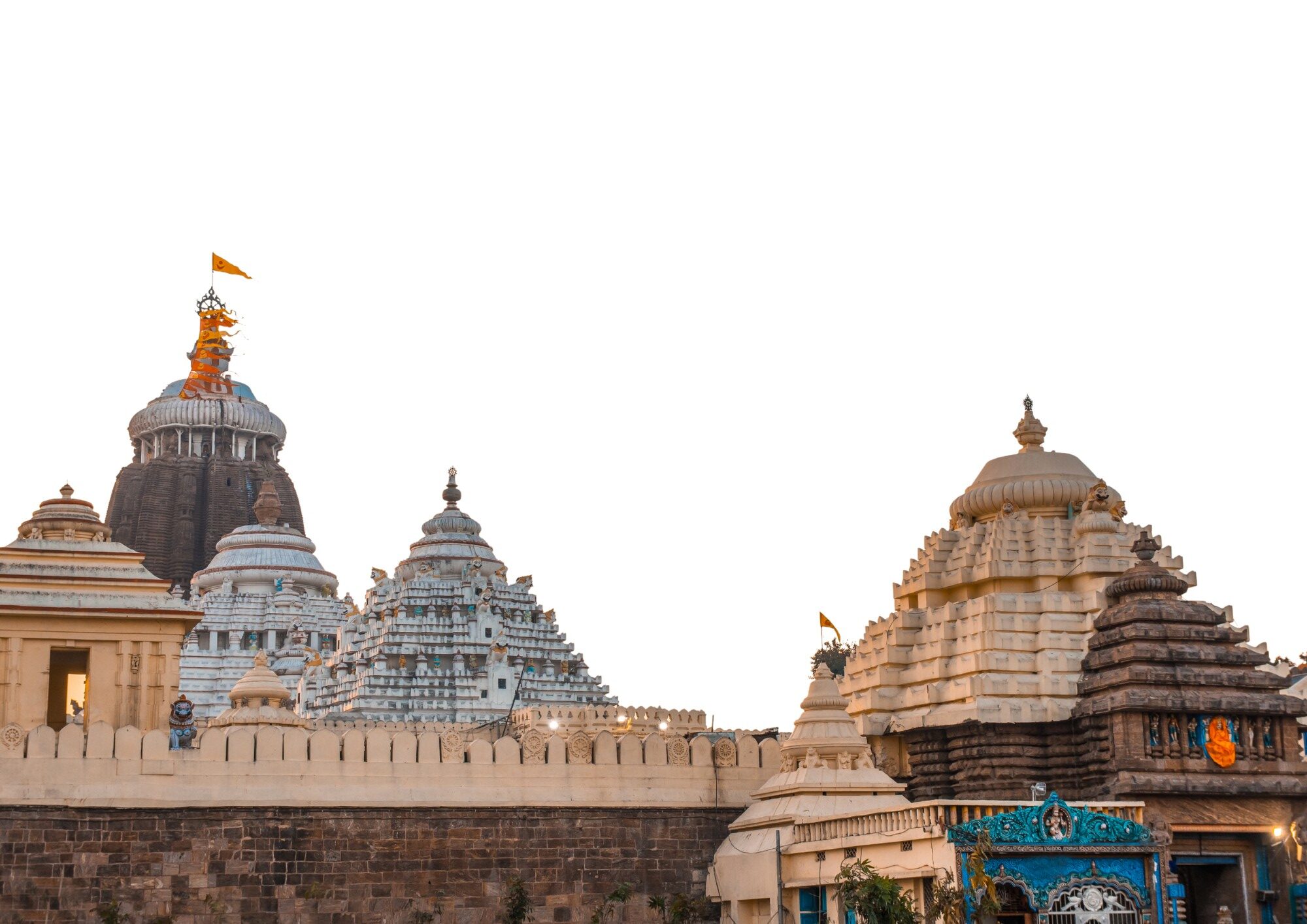 government, recognising Śrīla Bhaktivinoda Ṭhākura’s abilities and high qualifications, assigned him to the additional post of supervisor of the Jagannātha Temple. His management style was very strong and was appreciated by the inhabitants of Jagannātha Purī.
Many significant events took place while Bhaktivinoda Ṭhākura was there. The members of one group offered him a large bribe and told him, “We want to put a statue of a dog on the top of the Jagannātha Temple.” They wanted to prove that there is no difference between Jagannātha, Baladeva, and Subhadrā, and a dog or a cat. These people thought, “All living beings are brahma (spirit) and are equal. If Gaṇeśa, Śakti, and Śiva are brahma and are worshipped, why not worship a cat or a dog? They are all the same brahma.” To show that there is no difference between God and the ordinary jīva, this group wanted to put a statue of a dog on the top of the mandira. Śrīla Bhaktivinoda Ṭhākura refused to accept the enormous bribe, and he forcefully rejected their request. To prevent the spread of this Māyāvāda philosophy, he also instructed the residents of Jagannātha Purī about the life and teachings of Śrī Caitanya Mahāprabhu.
In Orissa, there was a powerful yogī named Biṣakiṣaṇa, who wanted to enjoy rāsa-līlā like Kṛṣṇa. He was a siddha yogī with long matted locks, and when he would shake his head from side to side, his locks would stand  on end, and flames would shoot out from his hair. He openly declared throughout Orissa, “I am Śrī Kṛṣṇa, the Supreme Personality of Godhead. I have come to enjoy my līlā (pastimes).”
Many of the young ladies and girls of Orissa, beguiled by this yogī’s display of mystic powers, desperately wanted to sing and dance with him on the pūrṇimā (full moon) night. As a result, the husbands of these ladies, as well as many high-class and educated people, filed a court case against the yogī. The government assigned Śrīla Bhaktivinoda Ṭhākura to manage the case.
Śrīla Bhaktivinoda Ṭhākura went to see that yogī, who, although he had not heard from anyone, knew who Śrīla Bhaktivinoda Ṭhākura was and why he had come. The yogī calmly told him, “Oh, you are Bhaktivinoda Ṭhākura, the deputy magistrate. You have come to file a court case against me, but you cannot, for I am Kṛṣṇa Himself. I have come here to engage in the rāsa dance, and during the next full moon night, I will do so. No one, not even the government, can oppose me. Soon, I will fight against the entire government and drive the British out of India. Then I will become the emperor of all India.”
This was a very serious matter, and Śrīla Bhaktivinoda Ṭhākura replied sternly, “I know that you are a siddha yogī, but you are not God, and your powers are insignificant. I have come to tell you to renounce your false claims and give up your plans to engage in the imitation rāsa dance. I am giving you seven days to retract your statements. If you do not, I will arrest you and file a case in court against you.”
The yogī answered, “You cannot arrest me. Try to do what you can against me, but I will not change my plans to do the rāsa dance.”
Śrīla Bhaktivinoda Ṭhākura returned after seven days, accompanied by the police inspector and his men. He told the yogī, “I have come to arrest you if you do not change your plans.”
The yogī replied arrogantly, “Oh, you still don’t know me? I am the Supreme Lord Śrī Kṛṣṇa. I must perform the rāsa dance. I will not change my plans.”
Śrīla Bhaktivinoda Ṭhākura ordered the police, “Arrest him!” When they tried to capture the yogī, he shook his head from side to side, and long flames flew from his matted locks. The police inspector and his men were very frightened and quickly ran away, dropping their guns and clubs in their haste to escape. Left alone to deal with the yogī, Śrīla Bhaktivinoda Ṭhākura leapt forward, grabbed Biṣakiṣaṇa by the hair, and forcibly cut off his matted locks with a pair of scissors. Śrīla Bhaktivinoda Ṭhākura subdued him and took him to the criminal court of Orissa in Purī, where a date was fixed for a hearing.
Śrīla Bhaktivinoda Ṭhākura was accustomed to awakening in the night (at about 12:00 am) to perform bhajana and write transcendental poems (until 4:00 am). He would sing and recite ślokas from Gītāvalī, Śaraṇāgati, Kalyāna kalpataru, Śrīmad-Bhāgavatam, the writings of Rūpa Gosvāmī, and other Vaiṣṇava authors. He had translated some ślokas that were originally from Yāmunācārya (the guru of Rāmānujācārya). Deep in the night, he would recite and sing these ślokas, totally absorbed in his bhajana, and afterwards he would write his decisions and judgments for various cases.
Early in the morning of the day he was to hear the case, Śrīla Bhaktivinoda Ṭhākura was beset with severe stomach pains that were so intense that he could not do his work. His wife was alarmed and exclaimed, “Why are you giving trouble to that yogī? By his curse, you may die!” Śrīla Bhaktivinoda Ṭhākura answered, “Oh, I will not die. The pain is here only for the moment. It will pass.”
Śrīla Bhaktivinoda Ṭhākura went to the court that morning and summoned the yogī to appear. Biṣakiṣaṇa was insolent and spoke a warning to Śrīla Bhaktivinoda Ṭhākura: “Do you remember last night? I sent you so much pain.” Śrīla Bhaktivinoda Ṭhākura dismissed him, saying, “I know what you did, but your powers are insignificant. You cannot intimidate me.” After that, the yogī was not able to do anything to harm him. By his example, Śrīla Bhaktivinoda Ṭhākura demonstrated that if anyone is chanting the holy names of the Lord, all kinds of disease, magic, and other negative influences can be checked.
He then addressed the yogī: “If you decide not to perform the rāsa dance, and if you behave like a common citizen and renounce your claim to be Kṛṣṇa, I may be lenient in my judgment. Otherwise, you will have to spend six months in prison, doing hard labour. That puffed-up yogī would not comply, and thus, he was sent to prison, where he died from a self-imposed fast. This is an example of how Śrīla Bhaktivinoda Ṭhākura expertly administered in the district, and there were many other incidents while he was in Purī.
Over time, Śrīla Bhaktivinoda Ṭhākura was transferred to many other provinces. He was sent to Kṛṣṇa-nagara, Bihāra, and he also served in Vṛndāvana. While in Vṛndāvana, he went to Rādhā-kuṇḍa and Sūrya-kuṇḍa. At Rādhā-kuṇḍa, he met Jagannātha dāsa Bābājī Mahārāja, who was 144 years old at that time. He was so old that the lids of his eyes would droop over his eyes in heavy folds. To see, he would lift the skin from over his eyes. Despite his apparent aged condition, he could dance with great energy when he sang devotional songs, and Śrīla Bhaktivinoda Ṭhākura would associate with him whenever he could.
While Śrīla Bhaktivinoda Ṭhākura was at Rādhā-kuṇḍa, the disciples of Jagannātha dāsa Bābājī Mahārāja 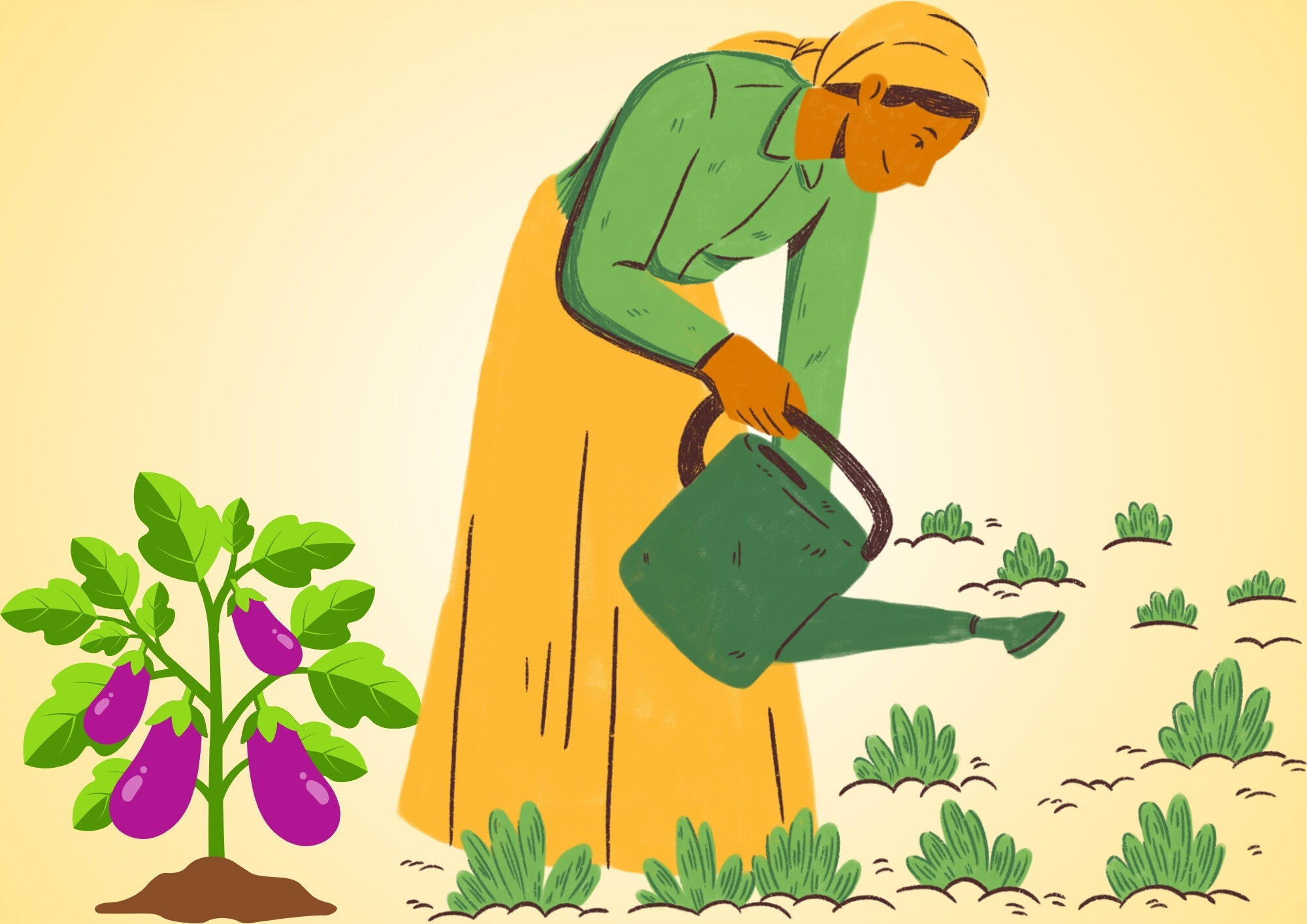 complained to him about the instructions they were receiving from their gurudeva. They told him, “We have given up our houses, our children, fathers, mothers, wives, and our positions. We have left everything to do bhajana and to remember the eightfold daily pastimes of Rādhā and Kṛṣṇa (aṣṭa-kālīya-līlā). We have left everything, but our gurudeva is telling us to grow eggplant and other vegetables, and flowers for Ṭhākurajī. We did not come here to grow vegetables, flowers, and fruits. Sir, should we return home? We don’t know what to do.”
Śrīla Bhaktivinoda Ṭhākura told them, “You should try to serve your gurudeva and follow his orders. You are chanting Hare Kṛṣṇa, but you are full of anarthas (unwanted desires) and cannot chant śuddha-nāma (the pure holy name). You may chant for thousands and thousands of births and not accomplish anything. It is good and proper that you follow your gurudeva’s instructions. You cannot remember the pastimes of Kṛṣṇa while you are contaminated by these anarthas. If you try to remember the aṣṭa-kālīya-līlā before you are purified, the desire for young women and other material things will rise in your heart. You will soon give up your bhajana to become involved with women, and you will return to worldly life. Most Rādhā-kuṇḍa bābājīs are doing just that, mixing illicitly with widows and having children with them; they are not doing any real bhajana.
“Do not fall down like them. You should follow your gurudeva’s orders; engage your energy in growing fruits and vegetables to offer to Ṭhākurajī or to a pure Vaiṣṇava. You should also chant the holy name, Hare Kṛṣṇa, Hare Kṛṣṇa. By this service, you will gain real transcendental (pāramārthika) impressions and spiritual merit (sukṛti), and as a result, you will be able to truly follow your guru. Then, as chanting, remembering, and performing kīrtana cleanse these anarthas, all the pastimes of Kṛṣṇa will automatically enter your hearts. Don’t follow the example of the Rādhā-kuṇḍa bābājīs. They don’t know Vaiṣṇava etiquette. They don’t even know how to clean themselves after using the latrine. They certainly don’t know any kṛṣṇa-tattva, māyā-tattva, or jīva-tattva. Many ignorant persons who have left their homes to go to Rādhā-kuṇḍa know nothing about siddhānta. These bābājīs will cheat them, and for only two rupees, give them a false spiritual identity and a false spiritual form (siddha-deha). They will say, ‘Now you are a gopī; your name is Lalitā or Viśākhā.’ This is abominable.”
In Jaiva Dharma (his treatise), Śrīla Bhaktivinoda Ṭhākura has written everything about the authentic process to become a paramahaṁsa. Jaiva Dharma is the essence of the Vedas, Upaniṣads, Śrīmad-Bhāgavatam, and the writings of Śrī Rūpa Gosvāmī, Śrī Raghunātha dāsa Gosvāmī, and our guru-varga. Aṣṭa-kālīya-līlā is described for those who are advanced, but how does one become qualified to understand it? One must systematically study Jaiva Dharma from beginning to end, starting with the first part, which describes the material world, and proceed through to a study of Daśamūla and all other tattvas.
By properly following the teachings of Jaiva Dharma, your anarthas will gradually disappear, and you will be able to practice 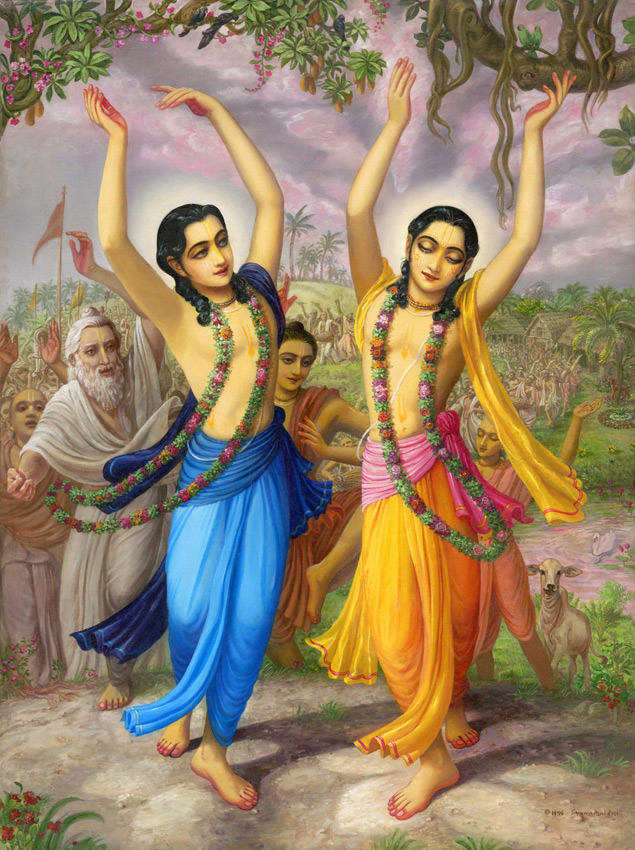 bhakti as exemplified by Vrajanātha and Vijaya Kumāra. They practised first in Navadvīpa and then in Purī, and they were completely conversant with all the teachings of the important literatures by our guru-varga, including Bhakti-rasāmṛta-sindhu and Ujjvala-nīlamaṇi. They had realised all the stages of prema – sneha, māna, praṇaya, rāga, anurāga, and so forth – and had understood vibhāva, anubhāva, sāttvika-bhāva and vyabhicārī-bhāva, etc. Thus, they received real dīkṣā and were blessed with a vision of Lord Caitanya Mahāprabhu dancing with Lord Nityānanda and all of Their associates.
Vrajanātha’s uncle, Vijaya Kumāra, was a paramahaṁsa who had renounced his worldly life and was remembering aṣṭa-kālīya-līlā by the seashore in Purī. Just as unlimited waves appear one after another on the seashore, unlimited waves appear one after another in the ocean of rasa. Kṛṣṇa is that ocean of rasa, and the innumerable waves are the different bhāvas (spiritual emotions) experienced by the devotee, such as vibhāva (uddīpana and ālambana), anubhāva, sāttvika-bhāva and vyabhicārī-bhāva.
Anyone can become qualified to understand aṣṭa-kālīya-līlā by attentively and respectfully hearing Jaiva Dharma. Without this knowledge, one cannot become qualified, but one must start from the beginning. Hearing with respect will help one to develop strong faith in śrī guru and follow his instructions. We should be eager to do so. Don’t jump to the top of the tree of rasa. Begin from the root. Follow the process Śrīla Bhaktivinoda Ṭhākura has given in Jaiva Dharma. Serve your gurudeva; have strong faith in sad-guru and Vaiṣṇavas; and always be in good Vaiṣṇava association.
Śrīla Viśvanātha Cakravartī Ṭhākura has written that the ultimate goal of life is described in the Śrīmad Bhāgavatam:
ārādhyo bhagavān vrajeśa-tanayas tad-dhāma vṛṇdāvanaṁ
ramyā kācid upāsanā vraja-vadhū-vargeṇā yā kalpitā
śrīmad-bhāgavataṁ pramāṇam amalaṁ premā pum-artho mahān
śrī-caitanya-mahāprabhor matam idaṁ tatrādaro naḥ paraḥ
Caitanya-mañjuṣā
[“The Supreme Personality of Godhead, the son of Nanda Mahārāja, is to be worshipped along with His transcendental abode, Vṛndāvana. The most pleasing form of worship for the Lord is that which was performed by the gopīs of Vṛndāvaṇa. Śrīmad-Bhāgavatam is the spotless authority on everything, and pure love of God is the ultimate goal of life for all men. These statements, for which we have the highest regard, are the opinion of Śrī Caitanya Mahāprabhu.”]
In this verse, Śrīla Viśvanātha Cakravartī Ṭhākura says that Vrajendranandana Śrī Kṛṣṇa, who is the most complete aspect of Absolute Truth, is the topmost object of worship. He does not refer to Kṛṣṇa as Vasudeva-nandana or Devakī-nandana. Vrajendra-nandana Śrī Kṛṣṇa is the Supreme Personality of Godhead. Just as He is supreme, His eternal abode, Vṛndāvana, is also supreme. Vṛndāvana is not made of earth, clay, or any material elements; it is cinmaya-bhūmi (a fully transcendental place).
The method and mood of worship (ārādhana) of the gopīs is extremely high. Among Kṛṣṇa’s associates in 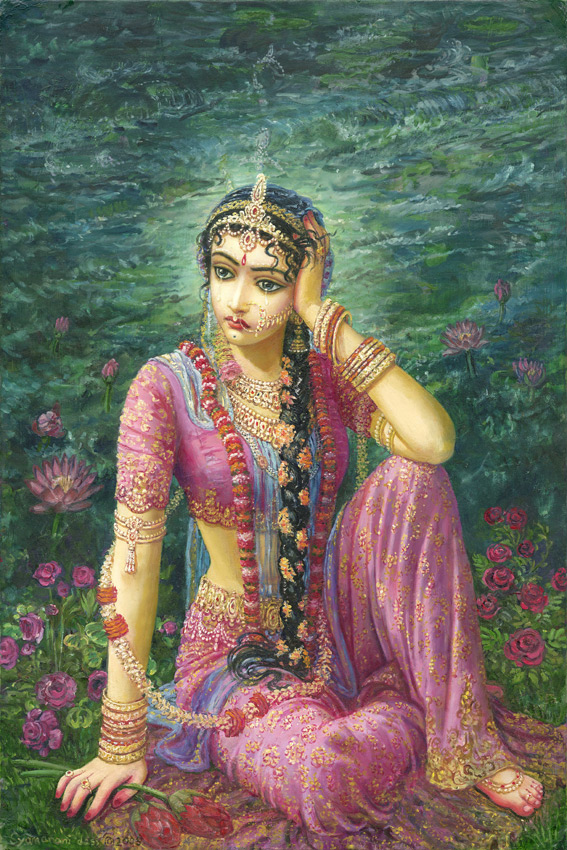 Vṛndāvana, the gopīs give Kṛṣṇa the highest pleasure. The mood of the gopīs is supreme, and supreme amongst the gopīs is Śrīmatī Rādhikā. Rādhikā’s mood is so high that even Kṛṣṇa cannot experience or understand it. To relish the mood of Śrīmatī Rādhikā and to taste the excellence of Śrī Rādhā’s love for Kṛṣṇa (rādhā praṇaya), He came in the form of Śrī Śacī-nandana Gaurahari.
Śrīmad Bhāgavatam is the highest pramāṇa (evidence) of the gopīs’ love for Kṛṣṇa. Śrī Caitanya Mahāprabhu taught that kṛṣṇa-prema (transcendental love and affection for Kṛṣṇa) is the highest goal. The goal of our life should be to achieve prema. Śrī Caitanya Mahāprabhu taught that the prema of the gopīs is the highest and that we should aspire to follow in their footsteps.
Śrīla Bhaktivinoda Ṭhākura has written Daśamūla, which is an elaboration of the above-mentioned verse by Śrīla Viśvanātha Cakravartī Ṭhākura. It contains ten ontological truths in condensed form. By understanding these truths, one can realise the true meaning of Lord Caitanya’s teachings:
āmnāyaḥ prāha tattvaṁ harim iha paramaṁ
sarva-śaktiṁ rasābdhiṁ
tad-bhinnāṁśāṁś ca jīvān prakṛti-kavalitān
tad-vimuktāṁś ca bhāvād
bhedābheda-prakāśaṁ sakalam api hareḥ
sādhanaṁ śuddha-bhaktiṁ
sādhyaṁ tat-prītim evety upadiśati janān
gauracandraḥ svayaṁ saḥ
- Pramāṇa: The teachings of the Vedas received through guru-paramparā are known as āmnāya (meaning that which is committed to memory). The infallible evidence of the Vedas, of the smṛti-śāstra headed by the Śrīmad-Bhāgavatam, as well as evidence such as direct sense perception (pratyakṣa) that concur with the guidance of the Vedas, are all accepted as pramāṇa (evidence). This pramāṇa establishes the following prameyas (fundamental truths):
- Parama-tattva: Śrī Hari alone is the Supreme Absolute Truth.
- Sarva-śaktimān: Śrī Kṛṣṇa is the possessor of all potencies.
- Akhila-rasāmṛta-sindhu: He is the ocean of nectarean mellows.
- Vibhinnāṁśa-tattva: Both the mukta (liberated) and baddha (conditioned) jīvas are His eternally separated parts and parcels.
- Baddha-jīvas: Conditioned souls are subject to the control and covering of māyā.
- Mukta-jīvas: Liberated souls are free from māyā.
- Acintya-bhedābheda-tattva: The entire universe, consisting of conscious (cit) and unconscious (acit), is Śrī Hari’s acintya-bhedābheda-prakāśa. That is to say, it is His manifestation which is inconceivably both different and non-different from Him.
- Śuddha-bhakti: Pure devotional service is the only practice (sādhana) to attain perfection.
- Kṛṣṇa-prīti: Transcendental love and affection for Kṛṣṇa is the one and only final object of attainment (sādhya-vastu).
In addition to the above, Śrīla Bhaktivinoda Ṭhākura, in two lines, has given us a practical means to achieve our goal of kṛṣṇa-prema. He has encapsulated all the truths of the Vedas, Bhāgavatam, Upaniṣads and so forth:
kṛṣṇera saṁsāra karô chāḓi’ anācāra
jīve dayā, kṛṣṇa-nāma—sarva-dharma-sāra
Nadīyā-godrume (4)
[“Give up all sinful behaviour and live your life with Kṛṣṇa at the centre. The essence of all forms of religion is to show compassion upon all living beings and chant the holy names of Krṣṇa.”]
What is the meaning of this verse? This verse is meant for both tyāgīs (renunciants) and gṛhasthas (family men). Whatever you do, do it to please Kṛṣṇa. Kṛṣṇa manifests as dīkṣā-guru, śikṣā-guru, Vaiṣṇava, and all the associates of Kṛṣṇa and Caitanya Mahāprabhu. We must not neglect all these aspects while serving Kṛṣṇa. If you have honour for Kṛṣṇa but not for Baladeva, not for dīkṣā-guru, and not for śikṣā-guru, your bhakti will diminish.
So the word Kṛṣṇa in this verse has so many deep meanings. It means Kṛṣṇa and all of His associates and  tadīya-vastu (those persons and things that have relation to Him), like Tulasī-devī, harināma, mahā-prasāda.
mahā-prasāde govinde
nāma-brahmaṇi vaiṣṇave
svalpa-puṇyavatāṁ rājan
viśvāso naiva jāyate
(From Skanda Purāṇa, quoted in Caitanya-caritāmṛta, Antya-līlā 16.96, Purport)
[“Persons who are not very highly elevated in pious activities cannot believe in the remnants of food (prasādam) of the Supreme Personality of Godhead, nor in Govinda, the holy name of the Lord, nor in the Vaiṣṇavas.”]
These are all Kṛṣṇa, but some are viṣaya-kṛṣṇa (Kṛṣṇa as the object of love), and some are āśraya-kṛṣṇa (the abode of that love). We offer more honour to āśraya-kṛṣṇa than viṣaya-kṛṣṇa. If we serve Mother Yaśodā and the gopīs more than Kṛṣṇa, Kṛṣṇa will be pleased.
yasya prasādād bhagavat-prasādo
yasyāprasādān na gatiḥ kuto ‘pi
dhyāyan stuvaṁs tasya yaśas tri-sandhyaṁ
vande guroḥ śrī-caraṇāravindam
Śrī Gurvāṣṭakam (8)
[“Solely by the mercy of śrī guru one can receive the mercy of Bhagavān; without it one cannot make any advancement. Meditate on and sing śrī guru’s glories at the three sacred junctions of the day. I adore the lotus feet of that śrī gurudeva.”]
You should worship your guru, but the guru should be a genuine guru, not a goru (an animal). A guru should follow all the rules and regulations of Vaiṣṇavism. He should chant the holy name and have love and affection for his disciples. Śrīla Bhaktivinoda Ṭhākura states that to please Kṛṣṇa, one must behave like a Vaiṣṇava. All advancement in bhakti depends on pleasing Kṛṣṇa and his associates. This means serving the guru, the Vaiṣṇava, the dhāma, the holy name, and all that is related to Kṛṣṇa.
“Kṛṣṇera saṁsāra karô chāḓi’ anācāra.” This means that one will have to renounce anācāra, that which is unfavourable to Vaiṣṇavism, and follow Vaiṣṇava ācāra (proper conduct). Śrī Sanātana Gosvāmī has elaborately delineated the principles of proper conduct in the Hari-bhakti-vilāsa. Śrīla Bhaktivinoda Ṭhākura has also written about these things, especially the ten kinds of nāmāparādha, dhāmāparādha, the sixty-four kinds of sevāparādha, and other things. These aparādhas must be avoided. Follow the 64 aṅgas (limbs) of bhakti. Among them, nine kinds of bhakti are considered more important: śravaṇaṁ kīrtanaṁ smaraṇaṁ pāda-sevanam arcanaṁ vandanaṁ dāsyaṁ sakhyam and ātma-nivedanam. Among these, five are more important: sādhu-saṅga, nāma-kīrtana, bhāgavata-śravaṇa, mathurā-vāsa, and śrī-mūrtira śraddhāya sevana. Of these, three, śravaṇaṁ kīrtanaṁ smaraṇaṁ, are most important. Among them, kīrtana is the best: “Paraṁ vijayate śrī-kṛṣṇa-saṅkīrtanam.” Saṅkīrtana is the essence of bhakti.
In the above verse, Śrīla Bhaktivinoda Ṭhākura is also saying jīve doyā, kṛṣṇa-nāma—sarva-dharma- sāra. Jīve dayā means to have mercy on the living entities. Tell the living entities that they are spirit souls; they are not this physical body. They are part and parcel of the Supreme Lord, but they have forgotten this. Now they should engage in the process of bhakti-yoga and be happy. To turn anyone’s interest, or tendency, toward Kṛṣṇa is more valuable than establishing thousands of schools, hospitals, public gardens and performing charitable work. We should try to help others in this way, which is the highest type of compassion to the jīva. Kṛṣṇa-nāma means chanting the name of Kṛṣṇa in the process delineated by Śrīla Rūpa Gosvāmī in Śrī Upadeśāmṛta (8):
tan-nāma-rūpa-caritādi-sukīrtanānu-
smṛtyoḥ krameṇa rasanā-manasī niyojya
tiṣṭhan vraje tad-anurāgi-janānugāmī
kālaṁ nayed akhilam ity upadeśa-sāram
[“The essence of all advice is that one should utilise one’s full time – twenty-four hours a day – in nicely chanting and remembering the Lord’s divine name, transcendental form, qualities and eternal pastimes, thereby gradually engaging one’s tongue and mind. In this way, one should reside in Vraja (Goloka Vṛndāvana-dhāma) and serve Kṛṣṇa under the guidance of devotees. One should follow in the footsteps of the Lord’s beloved devotees, who are deeply attached to His devotional service.”]
This is the essence of Śrīla Bhaktivinoda Ṭhākura’s life and teachings. Gaura-premānande.
Source(s): Purebhakti.com, Serve Love – Bhakta Bandhav (Bhakta Bandhav Anthology transcribed and edited by the Bhakta Bandhav Team)
Image(s) made possible by Pixabay.com, Krishnapath.org.in, Keystone Press / Alamy Stock Photo and / or Bhaktiart.net
Unless indicated otherwise, all verse translations and quotes are from the books by Śrīla Prabhupāda (Vedabase.com)