
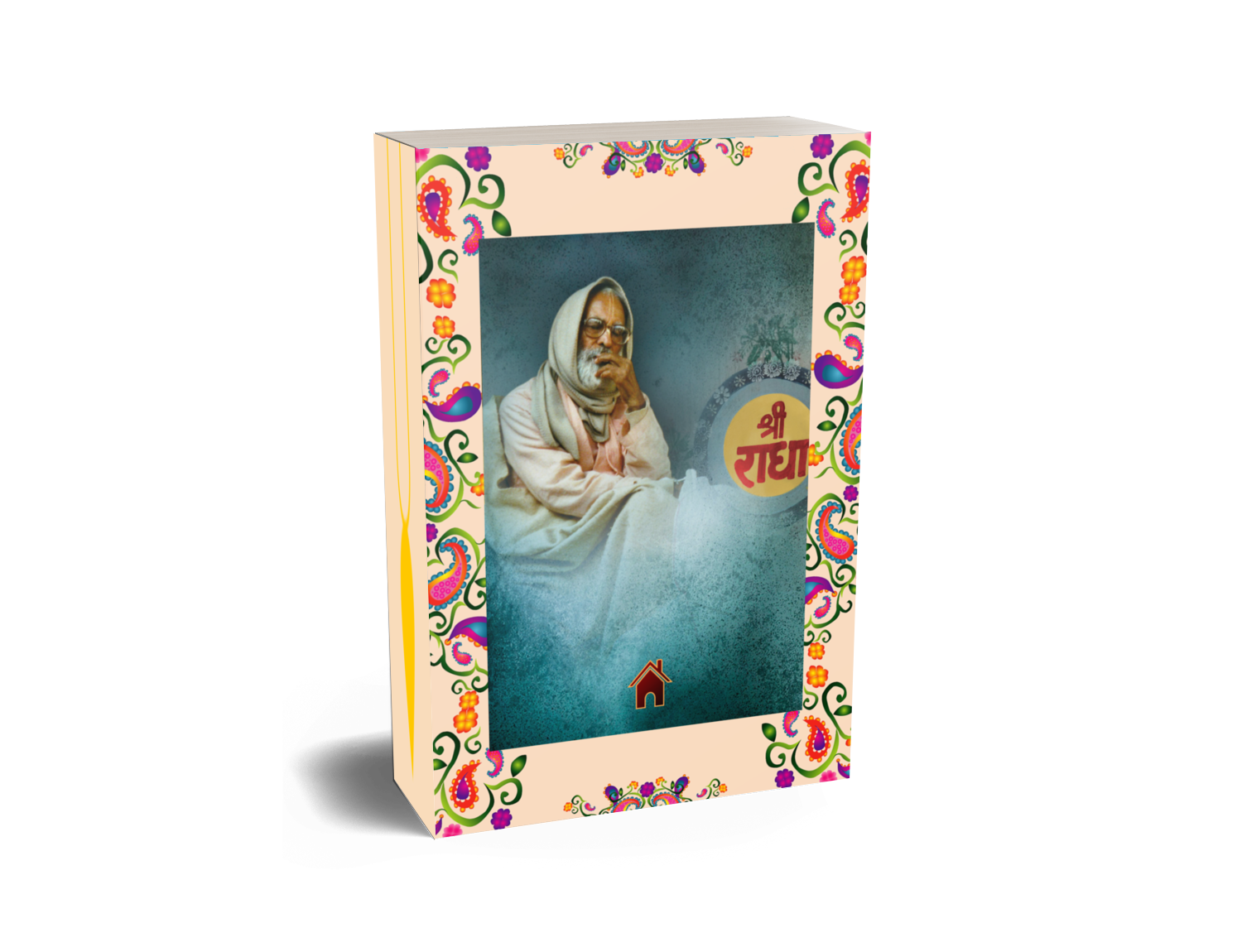
 The following is a translation of Śrīla Bhaktivedānta Nārāyaṇa Mahārāja’s discourse on service to śrī guru delivered in Govardhana on September 4, 2005
Rādhe-Śyāma Prabhu spoke very nicely about the qualities of a Vaiṣṇava. I want to see everyone become established in these Vaiṣṇava qualities. Simply speaking about them is not enough. 
It is very important that we don’t focus on anyone’s faults. Look at their good qualities. We have to absorb these qualities in ourselves. We must associate with Vaiṣṇavas who are superior to us and who have the mood we want. Then we can attain bhakti.
Someone who has no niṣṭha (strong faith) in his guru and in the Vaiṣṇavas, no attachment for them, no attachment for their service, and who doesn’t take any responsibility to do sevā – such a person is like an animal with two legs. Taking responsibility can even make an animal into a human. Stay in the Maṭhas (temples) under the guidance of the guru and Vaiṣṇava. Respect them and serve them with strong faith and attachment.
Devotees must take responsibility for service. Wherever gurudeva sends a disciple, he should do that service with a sense of responsibility.
Gurudeva sent me to Mathurā, and I accepted all the responsibilities of the Maṭha – including fighting in court, 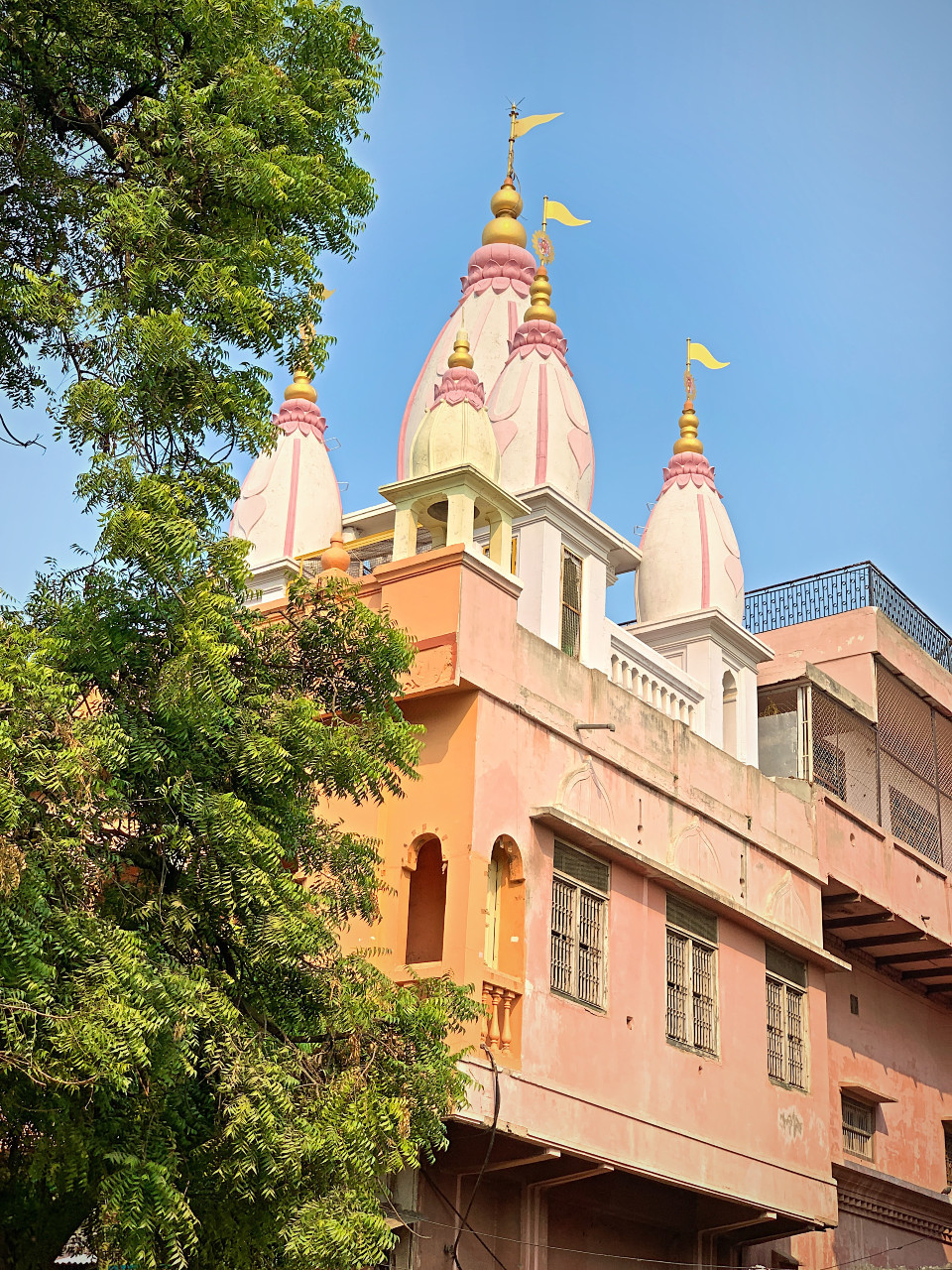 preaching, performing kīrtana, cooking, going house to house to preach, writing books, and publishing Bhāgavata Patrikā (a monthly magazine). I took all this upon my head. This was my area of responsibility for Gurudeva.
You have all come here from different countries for guru-sevā. What responsibility have you taken? You should consider whether or not you have accepted any responsibility and whether or not you have developed an attachment to your service. All of you must think about this.
Perform guru-sevā, even if it means taking your life in your hands. Bhakti is not easily attained. Vālmīki performed severe austerities for 60,000 years and received the fruit of devotion to Lord Rāma. How he served his guru, Śrī Nārada, and followed his instructions! Nārada told him to sit in one place and engage in harināma (chanting the name of Lord Rāma). He sat down for 60,000 years and did not get up. He did not eat, drink, or even go to the latrine. He did nothing but chant. Ants gradually built an anthill around him, covering his entire body, and his life air remained in his bones. This is guru-sevā.
Ekalavya was only an ordinary person, but he gave his thumb to his guru. His fault was that he didn’t follow his gurudeva properly, but he gave his thumb when asked.
Even Lord Kṛṣṇa carried a bundle of wood on His head for His guru. He stood in the rain all night and got completely wet in the service of His guru, and He is God Himself. This is how to do guru-sevā.
In the Upaniṣads, we find the story of Upamanyu. His guru told him to take the cows out grazing. After some  time, his guru asked him, “Why are you so fat and healthy?” He replied, “After the calves take their milk, I drink the remaining milk.” His guru said, “Don’t drink the milk,” but he did not tell Upamanyu what to take instead. Some days passed, and when he saw Upamanyu again, he said, “How is it that you are still so fat and healthy? What are you eating?” Upamanyu answered, “I take the foam of the milk left in the calves’ mouths.” Again, his guru said, “Don’t do that.” Now all roads were closed. So what did he do? He saw some leaves with a white liquid coming out of them and started taking that ‘milk.’ He became blind from that poisonous white liquid, and he fell into a well.
Gurudeva came looking for him, calling out, “Where are you?” He called back, “I am in this well.” “What happened?” Gurudeva asked. Upamanyu replied, “I was taking this milk from the leaves, not realising it to be poison. I became blind and fell into this well.” Gurudeva said, “You will get your eyesight back, and all Vedic knowledge will be at once revealed in your heart.”
In the Upaniṣads and other Vedas, such examples of guru-sevā are given.
yasya deve parā bhaktir
yathā deve tathā gurau
tasyaite kathitā hy arthāḥ
prakāśante mahātmanaḥ
Śvetāśvatara Upaniṣad (6.23)
[“Unto those great souls who have implicit faith in both the Lord and the spiritual master, all the imports of  Vedic knowledge are automatically revealed.”]
We should be like such disciples. Bhakti is not easy. Bhakti will not come simply by saying the word ‘bhakti.’ Moreover, in the line of Śrī Caitanya Mahāprabhu, vraja-bhakti, gopī-bhakti, is very, very difficult to attain.
You are very fortunate to have come here. Keep your good fortune by developing strong faith in the guru, by performing devotional services under his guidance with commitment, and by following his instructions nicely – even if you have to go to hell. Go to hell with a contract. In other words, wherever you are sent – it may even be to hell – you will have your commitment to gurudeva always with you, and you will execute it. Take the guru’s instructions to heart, and then you will get bhakti; otherwise, it is not possible.
Source: Purebhakti.com
Image(s) made possible by Pixabay.com, Krishnapath.org.in, Keystone Press / Alamy Stock Photo and / or Bhaktiart.net
Unless indicated otherwise, all verse translations and quotes are from the books by Śrīla Prabhupāda (Vedabase.com)